
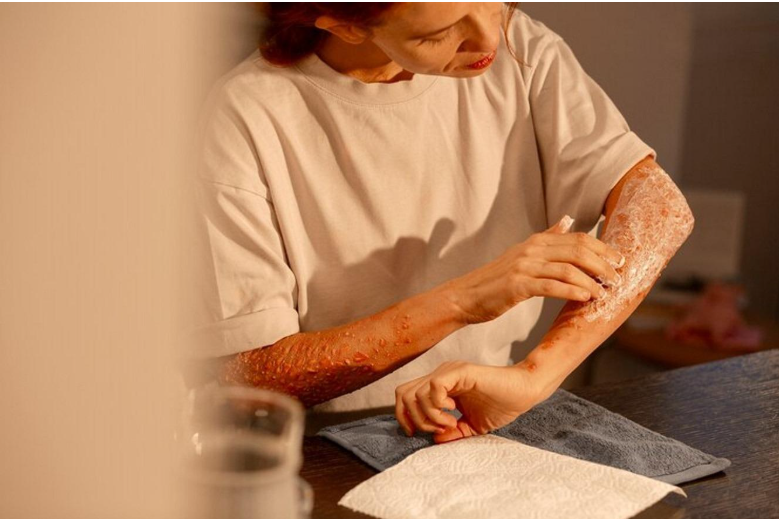
Overview: This blog explores how homeopathy may support chronic skin conditions such as eczema, psoriasis, and urticaria through individualized treatment. It explains how remedy selection works, what patients often experience during care, and how lifestyle, nutrition, and emotional balance can influence healing. You will also gain a better understanding of what realistic progress may look like with long-term skin conditions.
Why does your skin keep flaring again and again?
Persistent itching, burning, dryness, or recurring rashes can become physically and emotionally exhausting. Many people move from one cream or medication to another, only to experience temporary relief before symptoms return. This is often where homeopathy for chronic illness enters the conversation, offering a more individualized and gentle approach that looks beyond the skin itself and considers the deeper patterns contributing to imbalance.
Why do chronic skin conditions keep coming back?
Conditions like eczema, psoriasis, and urticaria are rarely only surface-level problems. The skin is often reacting to deeper disturbances within the body. Stress, immune sensitivity, digestive imbalance, environmental triggers, and emotional strain can all contribute to recurring flare-ups. Many people notice a repeating cycle of improvement followed by relapse. In homeopathy, these recurring patterns are viewed as signs that the body needs support in restoring balance rather than simply suppressing symptoms.
Can homeopathy actually help eczema, psoriasis, and urticaria?
Homeopathy may treats chronic skin conditions, but treatment is never one-size-fits-all. Remedies are selected according to each individual’s complete symptom picture and overall health pattern. In eczema, people may notice less intense itching and irritation. Psoriasis may gradually become calmer and less inflamed over time. With urticaria, flare frequency and severity may lessen. What matters most is understanding that the same diagnosis can present very differently from person to person, which is why individualized care is so important.
How does individualized remedy selection work in your case?
Every treatment begins with understanding you as a whole person, not simply identifying a skin diagnosis. A homeopathic consultation looks at physical symptoms alongside emotional patterns, sensitivities, stress responses, sleep habits, digestion, food reactions, and other personal characteristics. This detailed picture helps identify a remedy that matches the individual as completely as possible.
This is one of the defining aspects of homeopathy for chronic illness: treatment is tailored specifically to the individual rather than generalized around a condition alone.
What happens during a homeopathic consultation?
Homeopathic consultations are thorough, thoughtful, and unhurried. The focus is on understanding how your body has been responding over time.
Questions may include:
* When symptoms first appeared
* What improves or worsens them
* Emotional and stress patterns
* Food or seasonal triggers
* Family medical history
This process helps uncover long-standing patterns that may be contributing to recurring symptoms and guides a more individualized treatment approach.
Topical vs systemic care: how does homeopathy approach both?
While topical treatments may temporarily calm irritation on the surface, homeopathy aims to support balance from within. The goal is not simply to soothe the skin temporarily, but to address the underlying tendency toward recurring flare-ups. Many patients continue to use supportive topical care while gradually working toward more stable internal regulation and reduced dependency on symptom management alone.
What supportive care makes healing more stable?
Healing is often strengthened when treatment is supported by healthy daily habits and lifestyle balance. Helpful supportive measures may include:
* Proper hydration to support skin health
* Reducing highly processed or trigger foods
* Gentle detoxification support when appropriate
* Stress management and adequate sleep
* Mild, non-irritating skincare practices
These simple changes can often help the body respond more effectively to treatment and promote greater long-term stability.
What do patients often notice during treatment?
Many patients first notice a reduction in itching and irritation, followed by longer periods between flare-ups. Over time, skin texture and sensitivity may gradually improve. Some people also report improvements in sleep, emotional balance, energy, or overall well-being as treatment progresses. Healing often extends beyond the skin itself.
When does homeopathy work well, and where are its limits?
Homeopathy is appropriate for hronic skin conditions, although it is not intended to replace emergency or medically necessary care. Conditions involving immune sensitivity, including issues sometimes associated with homeopathy for asthma, also benefit from individualized hoemopathic treatment when guided appropriately by experienced practitioners.
How are eczema, psoriasis, and urticaria different in response?
Each skin condition responds differently because each condition reflects a different pattern within the body. Eczema and urticaria often improve rapidly with reduction of symptoms that eventually disappear. Psoriasis may require longer-term treatment because of deeper immune involvement. Careful observation and patience are important parts of the healing process.
What is happening during itch and flare cycles?
Flare-ups are often connected to identifiable triggers such as stress, food sensitivities, weather changes, hormonal shifts, or emotional strain. Homeopathy does not aim to suppress these reactions but addresses the internal imbalances that produce the susceptibility to them. Treatment can first reduce the intensity, frequency, and reactivity of flares on the path toward a more permanent amelioration of symptoms.
Is homeopathy safe for long-term skin care?
When practiced by trained professionals, homeopathy is considered safe and non-toxic. Many people choose it because it does not rely on suppression of symptoms with drugs that often produce short and longterm side effects.
Can homeopathy and conventional care work together?
Yes. Many people begin homeopathic treatment with the goal of eliminating the need for conventional dermatologic care.
How long does it take to see change?
There is no fixed timeline for improvement. Some people notice early changes in sleep, itching, or overall well-being within weeks, while more chronic skin symptoms may improve gradually over several months. Healing often occurs layer by layer, requiring consistency, patience, and ongoing evaluation throughout treatment.
Conclusion
Chronic skin conditions often reflect deeper imbalances within the body rather than isolated surface problems alone. When healing is approached with patience, individualized care, and attention to the whole person, improvement can become more steady and meaningful over time.
If you are seeking gentle, personalized support, professional care at The Center for Homeopathyhy.com is available tohelp you explore an approach that fits both your condition and your lifestyle.
We welcome you to connect with us at 505-557-6470. Consultations are also available through Zoom, FaceTime, Skype, and WhatsApp.
FAQs
1. Can homeopathy help long-term eczema?
Yes. Homeopathy is an safe and effective way to treat eczema. It returns the skin to a healthy state by addressing internal imbalances and individual triggers.
2. Is homeopathy effective for psoriasis management?
Yes. Psoriasis is treatable with homeopathy. It strengthens the immune system and addresses the genetic disposition. The duration of treatment to produce positive results varies based on the chronicity of the symptoms and individual case history,
3. Can urticaria be treated naturally with homeopathy?
Yes, urticaria responds well to appropriate homeopathic treatment. The choice of remedies is dependent on the particular trigger patterns and symptoms.
4. Does diet affect homeopathic treatment outcomes?
Absolutely. Diet can strongly influence skin inflammation and flare-ups. Identifying trigger foods, improving nutrition, and supporting digestive health often help stabilize skin conditions and enhance the body’s healing response.
5. How soon can one expect improvement?
Some people notice early symptom changes fairly quickly, while chronic skin conditions usually require more gradual, long-term care and follow-up. Every individual responds differently, and healing timelines vary from person to person.