
Overview: This blog explores how homeopathy may support women dealing with uterine fibroids by helping manage symptoms such as heavy bleeding, anemia, pelvic pressure, and fatigue. It highlights the value of individualized care, gentle remedies, supportive lifestyle habits, and regular medical monitoring. The goal is to provide balanced, structured support alongside gynecological supervision to help improve comfort, stability, and overall wellbeing over time.
When Fibroids Begin Affecting Daily Life:
Jenny sat quietly on her sofa after another exhausting cycle of heavy bleeding. The constant pelvic pressure made even simple movement feel draining. She wasn’t only tired—she felt completely worn down. Uterine fibroids can impact much more than physical comfort. They often interfere with energy, routines, sleep, and emotional balance.
Many women begin searching for gentler supportive care options when symptoms start affecting daily life. Heavy bleeding, pelvic discomfort, fatigue, and low energy can make normal activities feel harder than they should. Homeopathic treatment for gynecological problems offers a an effective approach that works alongside medical monitoring,.
What Happens Inside Uterine Fibroids?
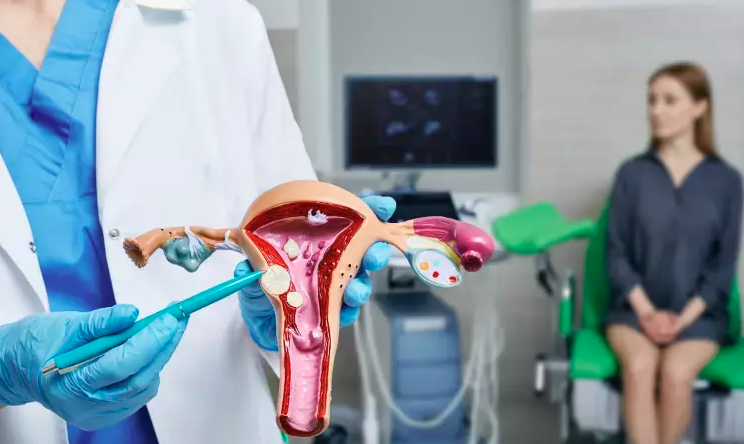
Uterine fibroids are non-cancerous growths that develop within the uterus and may affect bleeding patterns, pelvic comfort, and daily wellbeing. Some women experience heaviness, bloating, frequent urination, prolonged menstrual cycles, or pressure in the lower abdomen. Symptoms can vary greatly from person to person.
Homeopathic care focuses on elimination of the fibroids while improving overall strength, and helping women feel more stable physically and emotionally. It is a safe and effective approach that is combined with regular monitoring.
How Homeopathy Supports Fibroid Symptoms Naturally
Homeopathy focuses on the individual rather than solely on the diagnosis. Remedies are selected based on a person’s complete symptom picture, emotional state, energy patterns, and overall constitution.
Homeopathic treatment for gynecological problems is often used as part of a broader wellness approach. The goal is not to force quick suppression, but to strengthen the body’s natural healing response over time. Careful follow-up and individualized adjustments help create a more balanced and steady healing process.
Can It Help Heavy Bleeding, Anemia, and Pelvic Pressure?
Managing fibroids often means addressing several symptoms at once, including heavy bleeding, pelvic pressure, fatigue, dizziness, and anemia. Long hours of standing or daily activity may begin feeling more difficult as the body becomes depleted.
Homeopathic care can be very effective in dealing with the symptoms associated with this conditon while improving overall resilience and daily comfort. Improvements in energy, bleeding patterns, and pelvic heaviness indicate that the body is responding positively to structured, individualized care.
What One Patient Experienced
One patient shared, “I used to struggle with extremely heavy periods and constant exhaustion. After staying consistent with homeopathic care, my energy gradually improved and the bleeding became much more manageable.” She also described the approach as calm, supportive, and respectful of her body’s natural healing process.
Experiences like this reflect how individualized care may help improve comfort, confidence, and quality of life for women managing chronic uterine conditions alongside proper medical supervision.
Choice of Remedies
Homeopathic remedies may be selected to symptoms such as heavy bleeding, cramping, pelvic pressure, fatigue, or hormonal imbalance. Each prescription is individualized according to the person’s complete physical and emotional picture.
Supportive care may also include hydration guidance, nutritional support, and lifestyle recommendations that help strengthen the body naturally. The focus remains on steady improvement and helping the system respond more calmly to stress and hormonal fluctuations over time.
Why Hormonal Balance Matters in Fibroids
Hormonal changes can influence the growth and behavior of uterine fibroids. Homeopathy approaches these patterns holistically by supporting balance and regulation rather than aggressive correction.
Over time, some women may notice improvements in cycle regularity, reduced pelvic heaviness, and better overall comfort. Because every case is different, care remains individualized and focused on long-term stability rather than temporary symptom masking.
Everyday Lifestyle That Supports Healing
Simple daily habits can make a meaningful difference during fibroid care. Regular sleep, gentle movement such as walking, stress reduction, and balanced routines help support the nervous system and overall hormonal health.
Reducing excess caffeine and heavily processed foods may also help minimize discomfort for some women. These supportive habits encourage the body’s natural balance and allow you to take an active role in your healing journey.
Nutrition That Strengthens Recovery
Nutrition plays an important supportive role in managing fibroid symptoms. Iron-rich foods may help replenish the body when heavy bleeding contributes to fatigue or anemia. Fresh vegetables, fruits, warm nourishing meals, and proper hydration can all support energy, digestion, and recovery.
Combined with individualized care, healthy nutrition habits may help improve resilience and make daily functioning feel more manageable and stable.
Emotional Balance and Sleep Support
Living with chronic discomfort can also affect emotional wellbeing. Ongoing symptoms may contribute to stress, frustration, anxiety, or disturbed sleep patterns. Pelvic pressure and heavy bleeding can leave some women feeling physically and emotionally exhausted.
In these situations, homeopathy treatment for insomnia may sometimes be included as part of a broader supportive care plan. Supporting emotional balance and sleep often helps the body respond more positively to ongoing healing efforts.
Why Monitoring with Imaging Is Essential
Regular gynecological imaging, including ultrasound evaluations, remains an important part of fibroid management. Homeopathy is intended to work alongside these medical evaluations—not replace them.
Monitoring helps track fibroid size, symptom progression, and overall safety while guiding appropriate medical decisions when needed. Combining supportive care with proper supervision helps create a more balanced and responsible long-term approach.
Medical Monitory
Monitoring of the fibroids through imaging and other diagnostic techniques is an important part of treatment strategy. It offers a perspective on the progress of treatment and insures safer, more stable long-term outcomes.
Conclusion
Fibroid care often feels more manageable when individualized support, healthy lifestyle habits, and proper medical monitoring work together. You do not have to navigate these symptoms alone. Gentle, structured care may help improve comfort, balance, and daily wellbeing over time.
We at The Center for Homeopathy are here to participate in your healing journey with personalized homeopathic consultations and ongoing compassionate care. Connect with us at 505-557-6470 and consult with us through Zoom, FaceTime, Skype, or WhatsApp.
FAQs
1. Can homeopathy treat uterine fibroid and the accompanying symptoms?
Yes, homeopathy can address symptoms such as heavy bleeding, pelvic pressure, fatigue, and discomfort by focusing on individualized patterns and increase the body’s natural healing responses over time.
2. Is homeopathy safe to use alongside conventional fibroid treatment?
Yes, homeopathy is commonly used alongside standard gynecological care and monitoring. It is intended to complement medical supervision, not replace it.
3. How long does homeopathic care for fibroids usually take?
Every case is different. Some women notice gradual improvements within weeks, while chronic or longstanding cases may require longer-term structured care and follow-up.
4. Can dietary changes help improve fibroid symptoms?
Yes, appropriate nutrition—including iron-rich foods, hydration, fresh vegetables, and balanced meals using non-inflammatory foods—can help improve energy levels and reduce fatigue associated with heavy bleeding.
5. Is ultrasound monitoring still necessary during homeopathic care?
Yes, regular imaging remains essential. Ultrasound monitoring helps track fibroid changes and ensures that supportive care continues safely alongside appropriate medical supervision.