
Articles
Search for topics of interest to read relevant articles:
Click on a topic below to Read relevant articles :
- ADHD
- Addiction
- Alzheimer's Disease
- Articles
- Asthma
- Autism
- Autoimmune Illness
- Autopathy
- Biological Dentistry
- Cancer
- Children
- Dementia
- Dying
- EMF & Radiation
- Endocrine
- Epidemics
- Fibromyalgia
- HIV/AIDS
- Heart Disease
- Heavy Metals
- Hepatitis C
- Herbal Medicine
- Herpes Zoster
- Homeopathic History
- Homeopathic Philosophy
- Homeopathy - Legislation
- Homeopathy for Plants
- Inflammation
- Influenza
- International
- Ionized Water
- Lifestyle
- Lyme Disease
- Medical Industry
- Menopause
- Miasms
- Mind & Homeopathy
- Nutrition
- Osteoporosis
- Other Therapies
- PANS/PANDAS
- Sciatica
- Strep Throat
- Terrain
- Thermography
- Uncategorized
- Vaccinations
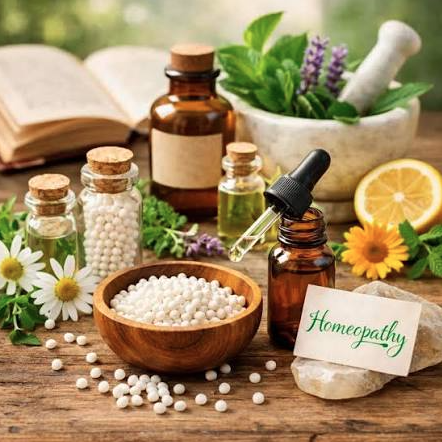
Repeated seasonal viral illnesses can affect people differently based on their health patterns and recovery responses. This article explains how classical homeopathy evaluates individual symptoms, illness history, constitutional characteristics, and personal health factors before selecting a remedy. Readers will understand why personalized assessment matters and how The Center for Homeopathy approaches recurring viral concerns through detailed case evaluation.

Recurring GERD and heartburn require careful evaluation because symptoms vary from person to person. This blog explains how classical homeopathy approaches acid reflux through individualized case analysis, constitutional assessment, and remedy selection. It also discusses common GERD symptoms, contributing factors, the importance of follow-up care, and how personalized homeopathic treatment is designed according to each patient's complete symptom picture.

This blog explains how Homeopathy For Back Pain offers a natural and long-term approach to relief by focusing on root causes rather than temporary fixes. It highlights personalized care, improved body strength, and holistic healing. With guidance from a qualified practitioner, homeopathy supports lasting comfort, reduces recurrence, and helps you regain balance in your daily life.

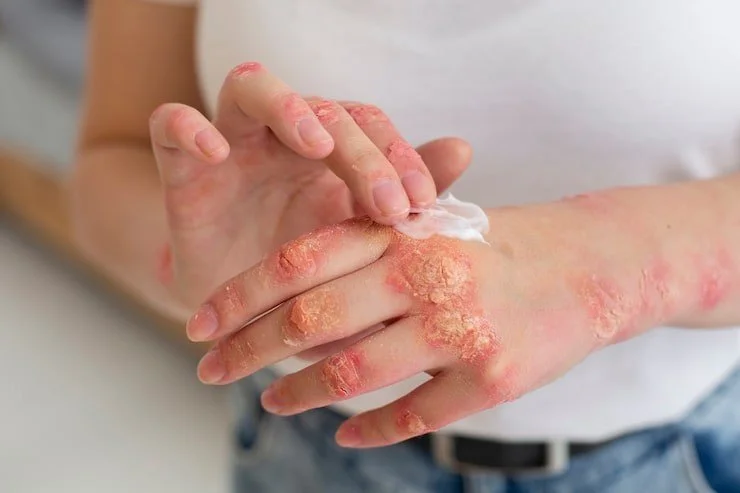
Learn how homeopathy may help manage eczema, psoriasis, and urticaria with individualized treatment aimed at supporting long-term skin health.
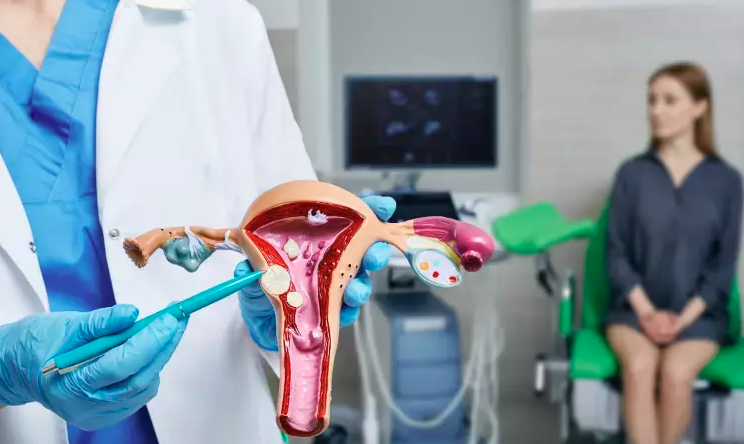
This blog explores how homeopathy may support women dealing with uterine fibroids by helping manage symptoms such as heavy bleeding, anemia, pelvic pressure, and fatigue. It highlights the value of individualized care, gentle remedies, supportive lifestyle habits, and regular medical monitoring. The goal is to provide balanced, structured support alongside gynecological supervision to help improve comfort, stability, and overall wellbeing over time.
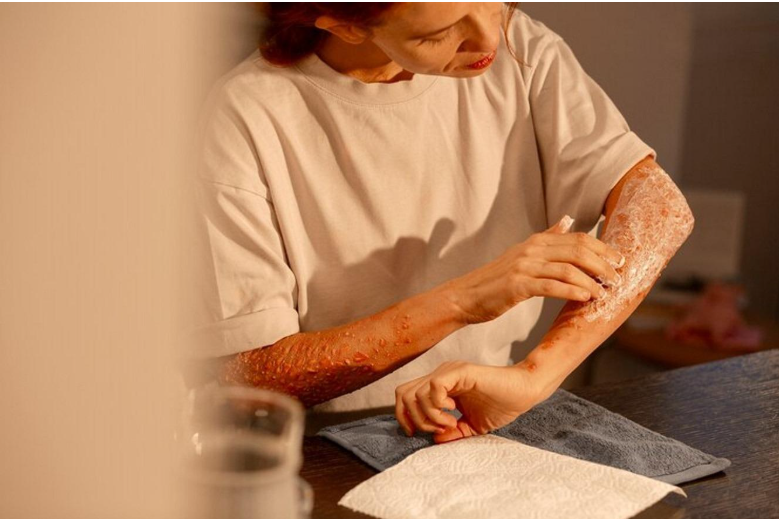
This blog explores how homeopathy may support chronic skin conditions such as eczema, psoriasis, and urticaria through individualized treatment. It explains how remedy selection works, what patients often experience during care, and how lifestyle, nutrition, and emotional balance can influence healing. You will also gain a better understanding of what realistic progress may look like with long-term skin conditions.
While governments and medical authorities around the world are scrambling to muster adequate supplies and facilities as well as develop effective therapies to cope with Covid 19, homeopathy is a therapeutic resource with a 200-year-old track record that is largely being overlooked.
Only a few years after publishing his work on the principles of homeopathy in the 1790's, Samuel Hahnemann gained great acclaim for his successful treatment of an epidemic of scarlet fever with the homeopathic remedy Belladonna…
1). What services do you provide your clients?
My primary modality of treatment is constitutional homeopathy. That is, prescribing a deep acting homeopathic remedy based on the state of the entire person being including their history, symptoms and characteristic physical, mental and emotional attributes.
In conjunction with that, I also use diet and nutritional supplements and botanical medicines as adjunctive treatments. In addition, I practice a diagnostic technique called 'Autonomic Response Testing' (ART) that taps into the autonomic nervous system to gain information about toxicities and infections that are often chronic and overlooked in conventional medicine.
Nothing is more emblematic of the desert than the cactus and having just moved to the high desert of Northern New Mexico, it seems only fitting to discuss the homeopathic significance of Cactaceae family of plants. Of course, there are many types of cacti, about 1750 species, only a handful of which - some 7 or 8 - are used in homeopathy.
Of these the best known to homeopaths at least, and mostly commonly prescribed is the Cactus Grandiflorus, the Nightblooming Cereus. Others include Anhalonium lewinii (Peyote), Carnegia giganta (Saguaro), Cereus Bonplandii (Harrisa bonplandi, Queen of the Night), Cereus Serpentinus (Snake Cactus) and Opuntia vulgaris (Prickly Pear, known in Mexico as 'Nopal'). No doubt, contemporary homeopaths have conducted experiments (or provings in homeopathic jargon) on other varieties, but the above-mentioned are included in the standard materia medica.
A man in his mid-30's we'll call Rashad consulted with me complaining of severe burning pain in his face. It began suddenly about a half-year earlier. He just woke up one morning and it felt like his face was on fire. The episode lasted nearly a week then disappeared. Ever since, the burning returns without any discernable pattern either in terms of the timing, duration or the area of the face, excepting the fact that it was always symmetrical. Along with the burning, his face felt extremely dry and the skin stretched tight.
Rashad went to a dermatologist who put him on a series of medications: analgesics, anti-anxiety pills, muscle relaxers and even steroids, but these had no effect on his condition. An antidepressant lowered the intensity of the burning, but it still was barely tolerable and appeared randomly.
In August of 1988, my wife and I along with our 3-year old son arrived in the village of Saxtons River, VT to settle into a new life in a somewhat ramshackle house rented from a cousin. Only two years removed from the jungle villages of Sri Lanka followed up by an interim stay in Connecticut, we arrived with few belongings save our clothes, some tag sale furniture and kitchen items, my wife's sewing machine and my professional equipment - a treatment table, acupuncture needles, along with about one hundred large glass jars full of Chinese medicinal herbs.
Elaine is a woman in her 30's with two young children, all of whom I had been treating off and on for a number of years. Prone to headaches, menstrual irregularities and appetite dysregulation, she generally responded to homeopathic treatment positively. Lean and tall, Elaine always had a pleasant, gentle manner about her, agreeable, quick to smile and laugh.
Michael is a high school student with PANDAS who I have been treating for the last several months. He developed the condition at the age of 8 after a bout of strep throat that was treated with antibiotics. The strep kept on reoccurring and Michael began exhibiting odd behaviors. He would wiggle or shake his body and make stepping patterns with his feet or tapping patterns with his fingers. Then he started with various tics that presented like slurping and sniffing.
One of the most common and potent ways to denigrate a human being or a group of human beings is to identify them by a disparaging label. To achieve its intended effect, the label, if chosen well, need not be complicated or creative. It must merely serve two purposes: to quickly conjure up in the listener's mind a negative image or association and, just as importantly, to put in place a barrier that hinders meaningful communication.
A woman we shall call Elaine first came for a homeopathic consultation a number of years ago. A teacher and artist in her 50's, she had struggled with depression for nearly her entire life, along with bouts of severe insomnia when she would go sleepless for days. A few years earlier, she had seen another homeopath who had been able to help her to a certain degree. But since Elaine had moved out of the area and was still prone to frequent relapses, the homeopath suggested she consult with someone else.
Most of the time after meeting a patient for the first time, I don't prescribe a remedy immediately at the conclusion of the consultation. It is my habit to study the information gathered during the session - my notes, observations and impressions - afterward, in order to integrate it all together, come up with a treatment strategy and an initial remedy.
During a consultation, it is easy to have a remedy come to mind and color my perspective. So, step backing affords me the opportunity to drop my prejudice and gain a more objective frame of reference. It also affords time the opportunity to study not only the patient's information, but medical and homeopathic literature relevant to the case as well.
A patient we'll call David came for a consultation seeking help regarding a mood disorder. Variously diagnosed as depression or anxiety - or both, it had plagued him for most of his adult life. Most of his emotions seemed tied up with his working. As a middle aged professional who ran his own small firm, he placed a great deal of pressure on himself to perform up to his own high standards and easily fell into despair about what he perceived as his professional inadequacies.
Beth was an 11-year-old girl whose mother brought her in for a consultation mostly to address behavioral and emotional issues. Over the years she had a number of neuropsych evaluations that led to an alphabet soup of diagnoses - ADHD, ODD (Oppositional Defiance Disorder), ASD (Autism Spectrum Disorder), AS (Asperger Syndrome) and my personal favorite PDD-NOS (Pervasive Developmental Disorder - Not Otherwise Specified).
In December of 2017, The Federal Drug Administration issued a Draft Guidance proposing that the guidelines governing the manufacture and sale of homeopathic remedies in the United States for the last thirty years be withdrawn and replaced by an updated version.
A number of years ago, a young woman in her early 20's we'll call Samantha sought out homeopathic treatment for difficulties she was experiencing during pregnancy. She had given birth just a year or so earlier and had experienced problems toward the end of her term. Now, this tine around Samantha was complaining of extremely low energy, poor digestion, generalized itching and irritability.
Magnesium is a mineral, one of six alkaline earth metals - along with beryllium, calcium, strontium, barium and radium - that make up the second column of the periodic table. In nature, it can only be found as a salt, that is, in combination with other minerals such as magnesium carbonate, magnesium sulphate, magnesium citrate, to name but a few. Elemental or free magnesium that is not combined with another element is a highly flammable, lightweight, shiny gray solid that can only be produced artificially.
First this one morning, a man made his way into the clinic leaning heavily on the shoulder of a young boy. As he entered, my attention, initially grabbed by the brilliant violet tunic top he wore, subsequently fell on the telltale curl of his left arm and the dragging of his left leg.
Falling into a chair, he explained that in the night he awoke with the sensation that the left side of his body was heavy and weak. Now, he was breathless, dizzy, his head hurt and his heart felt too large for his chest. There was also a burning sensation internally and especially in the left thigh.
You haven't partied until you've attended a funeral in Ghana - or, at least, in this region of the country where I've spent the last month. Apparently, celebrating the dead is the main social event that takes place here. They don't do birthdays and I haven't heard mention of a wedding, but I've seen more funerals than I can count.
It is hard to miss them because they are three-day public affairs occupying the village center or some such prominent location to which, it seems, everyone is invited, regardless of their connection - or lack thereof - to the deceased.
Mafi Kumase is a small town of 2500 persons in the Volta region of Western Ghana, about an hour from the border with Togo. Other than its technical high school and a weekly market, it is a fairly nondescript place: basically a crossroads with low slung shops, cinderblock houses and simple structures that serve as churches. The main thoroughfare is busy with 2-, 3- and 4-wheeled vehicles, herds of goats and groups of schoolchildren.
To the outsider's eye, what is most striking are a handful of buttes that rise up in and around the town as well as the plastic garbage strewn everywhere. The buttes make for nice hikes and views over the surrounding fields of cassava and okra. The plastic is an eyesore and probable health hazard that makes one not want to look too closely.
The Hope Homeopathy Clinic is located just at the outskirts of town on the main road. It consists of a few rooms and front porch of a house set back behind some shops and another home. But it is a well-utilized facility that everyone in town knows - along with the man who created and runs it.
One of the cases that stand out in my mind from the beginning days in practice was of a woman with Alzheimer's disease who was brought in by her husband for treatment. They were old time Vermonters - Earl, a farmer who prided himself on ingenuity and self-reliance, and Mary, a sturdy, strong looking woman. (Not their real names.)
Jill's adventure with Lyme Disease began in 2010, some six years before our first consultation, or at least that is what she thought. It first manifested as muscle stiffness, severe indigestion and tremendous fatigue. As with so many cases of Lyme, her condition was not correctly diagnosed initially. Jill was told she had GERD (gastric reflux) and had surgery for that. Perhaps because her sister was diagnosed with Lupus (the autoimmune illness Systemic Lupus Erythematosus or SLE), she too was told that was the problem and was treated for it. Nothing seemed to help.
Amongst the various treatment methods that have proliferated in response to the ongoing epidemic of Lyme Disease, homeopathy has a unique and valuable place. It is distinguished by a number of attributes, chief amongst them being flexibility, individuality and, to coin a term, 'constitutionality'.
People afflicted with Lyme present in various stages of the disease. The homeopathic practitioner has at his or her disposal a vast array of medicines that allow for a great deal of flexibility in prescribing the most appropriate remedy for each stage.
Recently, I saw a patient freshly diagnosed with Stage 4 colon cancer. He had been my patient for a number of years already and had apparently responded well to homeopathic treatment. That is, the symptoms he had complained of were alleviated and his sense of well being increased. He felt well and there were no indications of illness. Then he underwent a routine colonoscopy...
More Articles
Repeated seasonal viral illnesses can affect people differently based on their health patterns and recovery responses. This article explains how classical homeopathy evaluates individual symptoms, illness history, constitutional characteristics, and personal health factors before selecting a remedy. Readers will understand why personalized assessment matters and how The Center for Homeopathy approaches recurring viral concerns through detailed case evaluation.
Recurring GERD and heartburn require careful evaluation because symptoms vary from person to person. This blog explains how classical homeopathy approaches acid reflux through individualized case analysis, constitutional assessment, and remedy selection. It also discusses common GERD symptoms, contributing factors, the importance of follow-up care, and how personalized homeopathic treatment is designed according to each patient's complete symptom picture.
This blog explains how Homeopathy For Back Pain offers a natural and long-term approach to relief by focusing on root causes rather than temporary fixes. It highlights personalized care, improved body strength, and holistic healing. With guidance from a qualified practitioner, homeopathy supports lasting comfort, reduces recurrence, and helps you regain balance in your daily life.
Homeopathy for Relief in Respiratory Disorders
Learn how homeopathy may help manage eczema, psoriasis, and urticaria with individualized treatment aimed at supporting long-term skin health.
This blog explores how homeopathy may support women dealing with uterine fibroids by helping manage symptoms such as heavy bleeding, anemia, pelvic pressure, and fatigue. It highlights the value of individualized care, gentle remedies, supportive lifestyle habits, and regular medical monitoring. The goal is to provide balanced, structured support alongside gynecological supervision to help improve comfort, stability, and overall wellbeing over time.
This blog explores how homeopathy may support chronic skin conditions such as eczema, psoriasis, and urticaria through individualized treatment. It explains how remedy selection works, what patients often experience during care, and how lifestyle, nutrition, and emotional balance can influence healing. You will also gain a better understanding of what realistic progress may look like with long-term skin conditions.
While governments and medical authorities around the world are scrambling to muster adequate supplies and facilities as well as develop effective therapies to cope with Covid 19, homeopathy is a therapeutic resource with a 200-year-old track record that is largely being overlooked.
Only a few years after publishing his work on the principles of homeopathy in the 1790's, Samuel Hahnemann gained great acclaim for his successful treatment of an epidemic of scarlet fever with the homeopathic remedy Belladonna…
1). What services do you provide your clients?
My primary modality of treatment is constitutional homeopathy. That is, prescribing a deep acting homeopathic remedy based on the state of the entire person being including their history, symptoms and characteristic physical, mental and emotional attributes.
In conjunction with that, I also use diet and nutritional supplements and botanical medicines as adjunctive treatments. In addition, I practice a diagnostic technique called 'Autonomic Response Testing' (ART) that taps into the autonomic nervous system to gain information about toxicities and infections that are often chronic and overlooked in conventional medicine.
Nothing is more emblematic of the desert than the cactus and having just moved to the high desert of Northern New Mexico, it seems only fitting to discuss the homeopathic significance of Cactaceae family of plants. Of course, there are many types of cacti, about 1750 species, only a handful of which - some 7 or 8 - are used in homeopathy.
Of these the best known to homeopaths at least, and mostly commonly prescribed is the Cactus Grandiflorus, the Nightblooming Cereus. Others include Anhalonium lewinii (Peyote), Carnegia giganta (Saguaro), Cereus Bonplandii (Harrisa bonplandi, Queen of the Night), Cereus Serpentinus (Snake Cactus) and Opuntia vulgaris (Prickly Pear, known in Mexico as 'Nopal'). No doubt, contemporary homeopaths have conducted experiments (or provings in homeopathic jargon) on other varieties, but the above-mentioned are included in the standard materia medica.
A man in his mid-30's we'll call Rashad consulted with me complaining of severe burning pain in his face. It began suddenly about a half-year earlier. He just woke up one morning and it felt like his face was on fire. The episode lasted nearly a week then disappeared. Ever since, the burning returns without any discernable pattern either in terms of the timing, duration or the area of the face, excepting the fact that it was always symmetrical. Along with the burning, his face felt extremely dry and the skin stretched tight.
Rashad went to a dermatologist who put him on a series of medications: analgesics, anti-anxiety pills, muscle relaxers and even steroids, but these had no effect on his condition. An antidepressant lowered the intensity of the burning, but it still was barely tolerable and appeared randomly.
In August of 1988, my wife and I along with our 3-year old son arrived in the village of Saxtons River, VT to settle into a new life in a somewhat ramshackle house rented from a cousin. Only two years removed from the jungle villages of Sri Lanka followed up by an interim stay in Connecticut, we arrived with few belongings save our clothes, some tag sale furniture and kitchen items, my wife's sewing machine and my professional equipment - a treatment table, acupuncture needles, along with about one hundred large glass jars full of Chinese medicinal herbs.
Elaine is a woman in her 30's with two young children, all of whom I had been treating off and on for a number of years. Prone to headaches, menstrual irregularities and appetite dysregulation, she generally responded to homeopathic treatment positively. Lean and tall, Elaine always had a pleasant, gentle manner about her, agreeable, quick to smile and laugh.
Michael is a high school student with PANDAS who I have been treating for the last several months. He developed the condition at the age of 8 after a bout of strep throat that was treated with antibiotics. The strep kept on reoccurring and Michael began exhibiting odd behaviors. He would wiggle or shake his body and make stepping patterns with his feet or tapping patterns with his fingers. Then he started with various tics that presented like slurping and sniffing.
One of the most common and potent ways to denigrate a human being or a group of human beings is to identify them by a disparaging label. To achieve its intended effect, the label, if chosen well, need not be complicated or creative. It must merely serve two purposes: to quickly conjure up in the listener's mind a negative image or association and, just as importantly, to put in place a barrier that hinders meaningful communication.
A woman we shall call Elaine first came for a homeopathic consultation a number of years ago. A teacher and artist in her 50's, she had struggled with depression for nearly her entire life, along with bouts of severe insomnia when she would go sleepless for days. A few years earlier, she had seen another homeopath who had been able to help her to a certain degree. But since Elaine had moved out of the area and was still prone to frequent relapses, the homeopath suggested she consult with someone else.
Most of the time after meeting a patient for the first time, I don't prescribe a remedy immediately at the conclusion of the consultation. It is my habit to study the information gathered during the session - my notes, observations and impressions - afterward, in order to integrate it all together, come up with a treatment strategy and an initial remedy.
During a consultation, it is easy to have a remedy come to mind and color my perspective. So, step backing affords me the opportunity to drop my prejudice and gain a more objective frame of reference. It also affords time the opportunity to study not only the patient's information, but medical and homeopathic literature relevant to the case as well.
A patient we'll call David came for a consultation seeking help regarding a mood disorder. Variously diagnosed as depression or anxiety - or both, it had plagued him for most of his adult life. Most of his emotions seemed tied up with his working. As a middle aged professional who ran his own small firm, he placed a great deal of pressure on himself to perform up to his own high standards and easily fell into despair about what he perceived as his professional inadequacies.
Beth was an 11-year-old girl whose mother brought her in for a consultation mostly to address behavioral and emotional issues. Over the years she had a number of neuropsych evaluations that led to an alphabet soup of diagnoses - ADHD, ODD (Oppositional Defiance Disorder), ASD (Autism Spectrum Disorder), AS (Asperger Syndrome) and my personal favorite PDD-NOS (Pervasive Developmental Disorder - Not Otherwise Specified).
In December of 2017, The Federal Drug Administration issued a Draft Guidance proposing that the guidelines governing the manufacture and sale of homeopathic remedies in the United States for the last thirty years be withdrawn and replaced by an updated version.
A number of years ago, a young woman in her early 20's we'll call Samantha sought out homeopathic treatment for difficulties she was experiencing during pregnancy. She had given birth just a year or so earlier and had experienced problems toward the end of her term. Now, this tine around Samantha was complaining of extremely low energy, poor digestion, generalized itching and irritability.
Magnesium is a mineral, one of six alkaline earth metals - along with beryllium, calcium, strontium, barium and radium - that make up the second column of the periodic table. In nature, it can only be found as a salt, that is, in combination with other minerals such as magnesium carbonate, magnesium sulphate, magnesium citrate, to name but a few. Elemental or free magnesium that is not combined with another element is a highly flammable, lightweight, shiny gray solid that can only be produced artificially.
First this one morning, a man made his way into the clinic leaning heavily on the shoulder of a young boy. As he entered, my attention, initially grabbed by the brilliant violet tunic top he wore, subsequently fell on the telltale curl of his left arm and the dragging of his left leg.
Falling into a chair, he explained that in the night he awoke with the sensation that the left side of his body was heavy and weak. Now, he was breathless, dizzy, his head hurt and his heart felt too large for his chest. There was also a burning sensation internally and especially in the left thigh.
You haven't partied until you've attended a funeral in Ghana - or, at least, in this region of the country where I've spent the last month. Apparently, celebrating the dead is the main social event that takes place here. They don't do birthdays and I haven't heard mention of a wedding, but I've seen more funerals than I can count.
It is hard to miss them because they are three-day public affairs occupying the village center or some such prominent location to which, it seems, everyone is invited, regardless of their connection - or lack thereof - to the deceased.
Mafi Kumase is a small town of 2500 persons in the Volta region of Western Ghana, about an hour from the border with Togo. Other than its technical high school and a weekly market, it is a fairly nondescript place: basically a crossroads with low slung shops, cinderblock houses and simple structures that serve as churches. The main thoroughfare is busy with 2-, 3- and 4-wheeled vehicles, herds of goats and groups of schoolchildren.
To the outsider's eye, what is most striking are a handful of buttes that rise up in and around the town as well as the plastic garbage strewn everywhere. The buttes make for nice hikes and views over the surrounding fields of cassava and okra. The plastic is an eyesore and probable health hazard that makes one not want to look too closely.
The Hope Homeopathy Clinic is located just at the outskirts of town on the main road. It consists of a few rooms and front porch of a house set back behind some shops and another home. But it is a well-utilized facility that everyone in town knows - along with the man who created and runs it.
One of the cases that stand out in my mind from the beginning days in practice was of a woman with Alzheimer's disease who was brought in by her husband for treatment. They were old time Vermonters - Earl, a farmer who prided himself on ingenuity and self-reliance, and Mary, a sturdy, strong looking woman. (Not their real names.)
Jill's adventure with Lyme Disease began in 2010, some six years before our first consultation, or at least that is what she thought. It first manifested as muscle stiffness, severe indigestion and tremendous fatigue. As with so many cases of Lyme, her condition was not correctly diagnosed initially. Jill was told she had GERD (gastric reflux) and had surgery for that. Perhaps because her sister was diagnosed with Lupus (the autoimmune illness Systemic Lupus Erythematosus or SLE), she too was told that was the problem and was treated for it. Nothing seemed to help.
Amongst the various treatment methods that have proliferated in response to the ongoing epidemic of Lyme Disease, homeopathy has a unique and valuable place. It is distinguished by a number of attributes, chief amongst them being flexibility, individuality and, to coin a term, 'constitutionality'.
People afflicted with Lyme present in various stages of the disease. The homeopathic practitioner has at his or her disposal a vast array of medicines that allow for a great deal of flexibility in prescribing the most appropriate remedy for each stage.
Recently, I saw a patient freshly diagnosed with Stage 4 colon cancer. He had been my patient for a number of years already and had apparently responded well to homeopathic treatment. That is, the symptoms he had complained of were alleviated and his sense of well being increased. He felt well and there were no indications of illness. Then he underwent a routine colonoscopy...